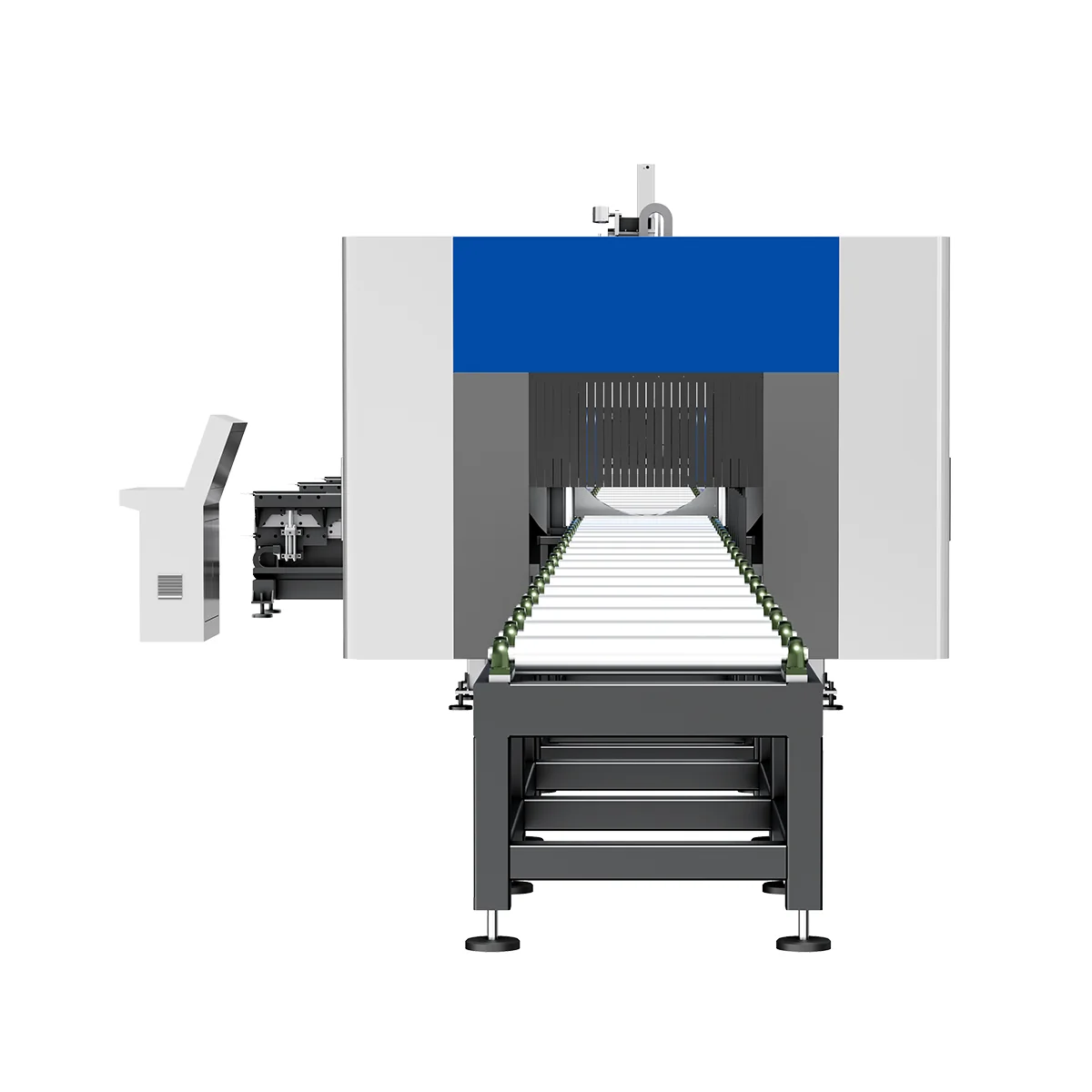
V100 Structural Steel Profile Laser Cutting Machine
Tube Laser Cutting Machine
- Tube Processing Range
- Round tubes: dia. 150-1000 mm; Square tubes: 150 x 150-850 x 850 mm; I-beams and H-beams channel steel: 10#-85#
- Loading Length
- 12000 mm

Explore this tube laser cutting machine configuration comparison guide. Compare model specifications and configuration options, then prepare the requirements for your equipment enquiry.
Tube Laser Cutting Machine
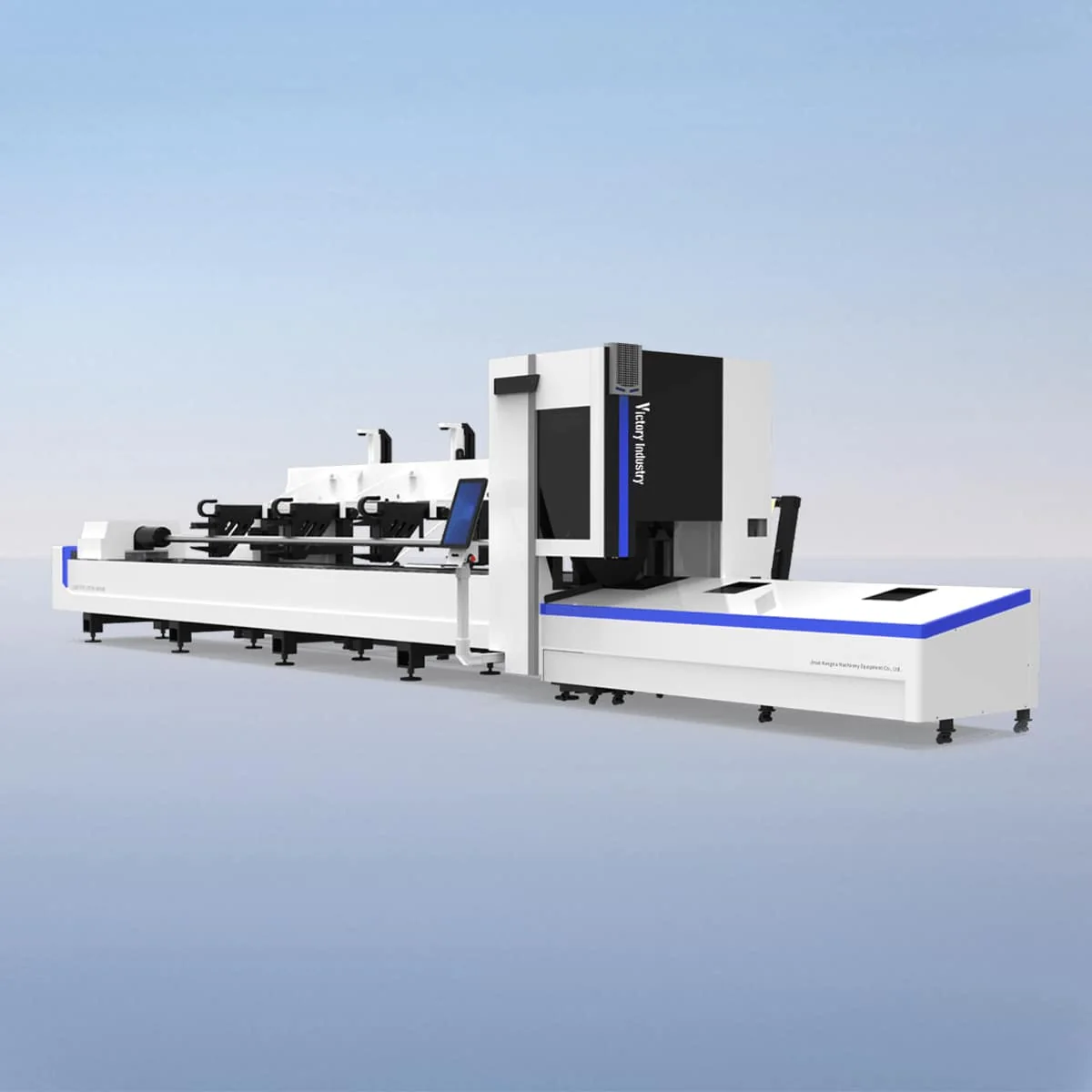
Tube Laser Cutting Machine
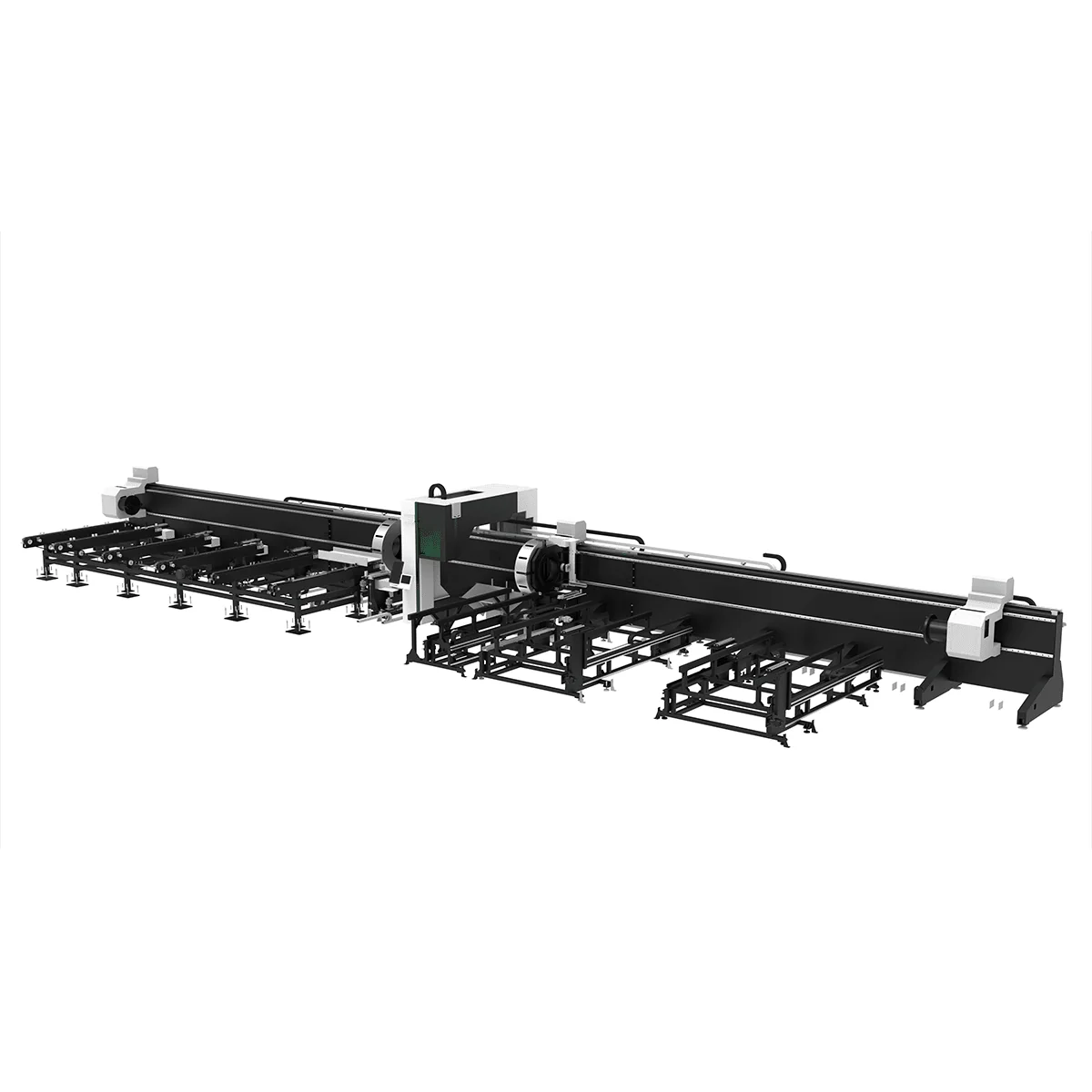
Tube Laser Cutting Machine
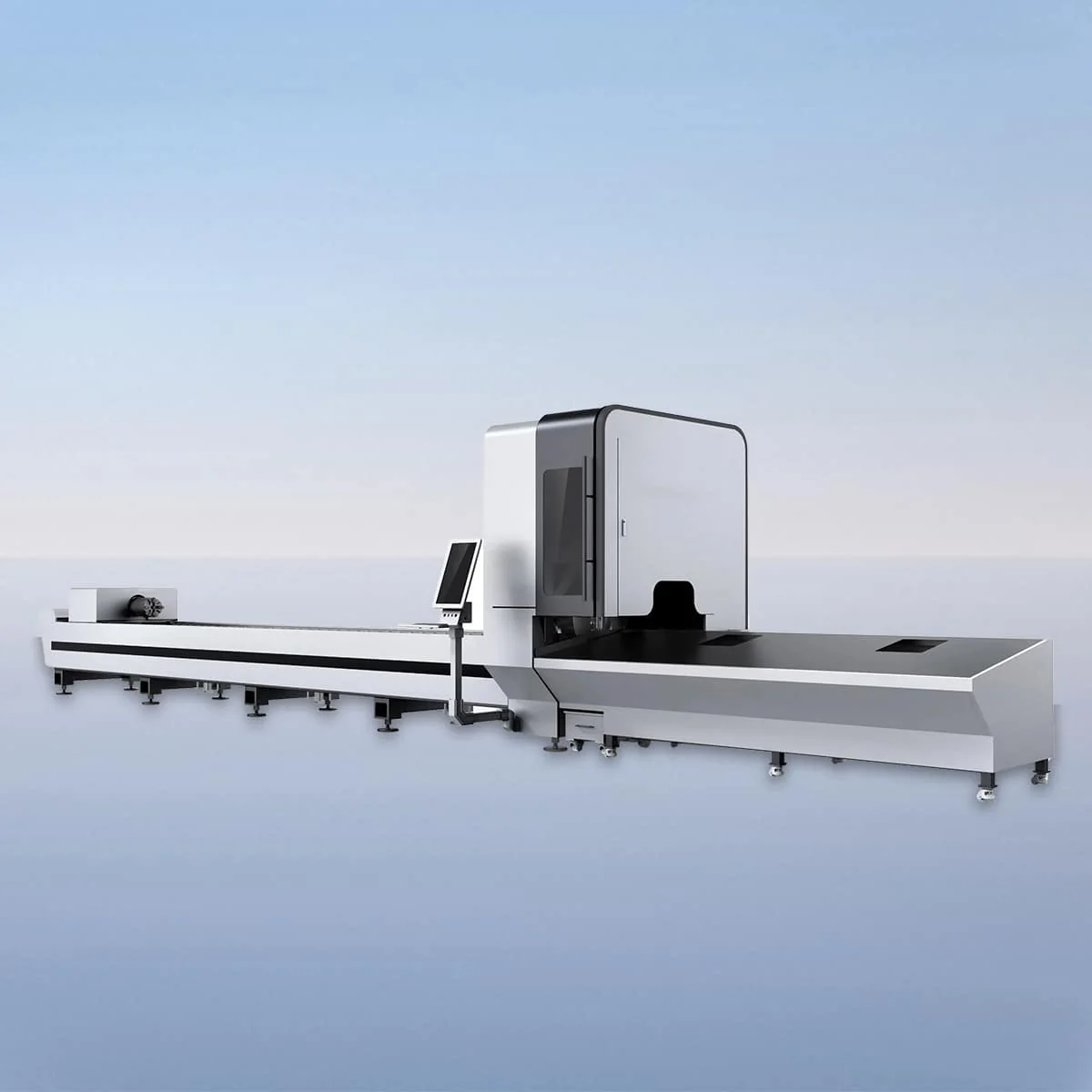
Tube Laser Cutting Machine
This tube laser cutting machine configuration comparison covers VIT, VIT-A, VIT-F and V100 on the Tube Systems site. Use it to connect your section drawing to the right parameter table, then identify the questions needed for a proposal. Each family retains its own model names and field labels; the comparison should preserve those distinctions as the shortlist becomes more specific.
Create a workpiece record before selecting equipment. Identify the material, section shape, external dimensions, wall thickness and length you want reviewed. Attach the drawing that shows the actual cuts and finished-part requirement. The record describes the job the proposed configuration must address, rather than assuming that a catalog field has already established the answer for every part you intend to make.
Compare VIT models →Compare VIT-A models →Compare VIT-F models →For tube laser cutting machine selection, VIT and VIT-A provide model-specific Cutting Area entries. Their two sizes are listed as 6000×220mm and 6000×350mm. VIT-F instead uses Working Area, with 12000×350mm, 12000×520mm and 12000×850mm entries. Keep the original label when requesting an explanation of how a candidate applies to your section and length.
Do not silently convert the second dimension into a maximum round-tube diameter or the first into a guaranteed loading length. If the purchase depends on a particular section, incoming length or finished-part size, ask for that limit explicitly. Matching labels to questions avoids a comparison in which numbers look directly comparable but have been given meanings that the source table did not state.
The V100 tube laser machine and structural-profile entry has a different type of parameter set. It explicitly lists round tubes, square tubes and I-beam, H-beam and channel-steel designations in its Tube Processing Range. For a round-tube comparison, the stated range is 150–1000mm diameter; the square-tube entry is 150×150 to 850×850mm. These values belong to V100.
If your request concerns a structural profile, supply the section drawing and designation instead of mapping it to a round-tube figure. Keep the proposed workpiece within a discussion of the actual V100 fields. The category includes this entry alongside the VIT families, but that shared directory membership does not authorize transferring its shape ranges to their tables.
Review the V100 profile entry →Describe how you intend to bring the incoming workpiece to the machine and collect the finished parts. Include any existing supports, lifting equipment or surrounding layout constraints for assessment. V100 lists manual loading and a 12000mm Loading Length. If you need a different handling arrangement, state the requirement directly and ask what is being proposed rather than assuming it is included.
Mark end features, holes and other required cuts on the drawing and identify the inspection criteria you want considered. If the production mix includes several sections, distinguish the recurring work from occasional jobs. Ask which representative parts need further assessment. Keep those desired results and handling needs separate from demonstrated results or a confirmed equipment package.
VIT and VIT-A list 1000–6000W, with CypCut and Weihong control options. VIT-F lists 12–20kW and FSCUT. Its source options are Max/IPG, while VIT and VIT-A list Raycus, MAX and IPG. These are useful entries to put beside the corresponding model, provided the quotation identifies the selected components rather than repeating all alternatives as standard equipment.
Ask how the proposed configuration relates to the material and drawing you supplied. A power range does not establish a thickness, cut quality or production rate for that part. Do not fill a missing VIT accuracy entry with a VIT-A value. Record the unanswered question and request the relevant specification for the chosen model so the comparison remains traceable.
Your enquiry can now include the workpiece record, shortlisted models, copied field labels and the requested laser and control options. Add installation information and explain which handling equipment or project work your team expects to provide. Ask the offer to separate included items, optional equipment and requested support. This gives both the purchasing and production teams a consistent description to review.
Victory Industry is based in Jinan, China. Send the package through the contact page, using the application guide if you need to organize the remaining drawing details. Retain revisions and sample identifiers with any response. If a section or required length changes later, make that change explicit before applying an earlier configuration answer to the new workpiece.
Organize tube and profile drawings →Request a configuration comparison →Provide the actual section shape and dimensions, wall thickness, material and length, then attach the drawing showing the cuts and finished-part requirement.
They are the source labels for the VIT-family model entries. Ask how each applies to your workpiece instead of relabeling it as a diameter or loading limit without confirmation.
No. V100 has its own explicit Tube Processing Range. Shared directory membership does not make its round, square or structural-profile entries specifications for another series.
No. State the required loading, support and collection arrangement and ask the proposal to identify the supplied equipment and responsibilities.
Keep full model names, original field labels, selected component options, drawing revisions and unresolved questions together. Ask for a response tied to that specific configuration and workpiece.
Share your material, dimensions and process. Start a conversation about the right configuration.